

Cutting to the Truth:
Storytelling and the Art of Editing
Tribeca Film Festival June 11, 2026
Thank you to Derek McCants, ACE, for compiling panelist bios/photos and editing the transcript.
Transcript of the discussion by Raul Hernandez of BCPC using Adobe Premiere.
View photos from the event HERE
For the third consecutive year, the American Cinema Editors (ACE) hosted a Free Talk during the Tribeca Festival. This year’s event was entitled “Cutting to the Truth: Storytelling and the Art of Editing”. The Free Talk featured a diverse group of four editors, all with films screening at this year’s festival. As in previous years, the event was sold out. Panelists included Shannon C. Griffin (One Woman One Bra, which later won the Special Jury Mention for Viewpoints Award), Ian Holden, ACE (Take Me Home), Lee Haxall (In Memoriam), and Joshua Z. Weinstein (Here I’m Alive , which later won the Special Jury Mention for Best U.S. Narrative Feature). The discussion was ably moderated by Michael Taylor, ACE.
PANELIST BIOS

Shannon C. Griffin
Shannon C. Griffin is a film editor whose work spans films, music videos, and commercials. Born in Tokyo, Japan, and raised around the world, from Connecticut to Tianjin, Shanghai, and Hawaii, her work is informed by a broad range of cultural influences and lived experiences. Her recent feature credits include ONE WOMAN ONE BRA (dir. Vincho Nchogu), which premiered at the 82nd Venice International Film Festival and went on to win the Sutherland Award at the 2025 BFI London Film Festival. She also edited IN TRANSIT (dir. Jaclyn Bethany), starring Jennifer Ehle and François Arnaud, which received the Audience Award for Best Narrative Feature at NewFest. A 2024 Film Independent Project Involve Editing Fellow, she hopes to amplify unique stories that foster a more inclusive and equitable world.
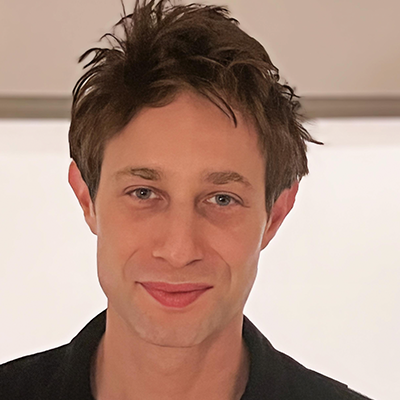
Ian Holden, ACE
Ian Holden, ACE, is a New York City film editor known for editing over fifteen award-winning narrative and documentary features across multiple genres. A drummer as well as an editor, he brings rhythmic sensibilities to pacing, flow, and performance. Ian was recently inducted into American Cinema Editors (ACE) for his professional achievements and dedication to the craft. Recent projects include Take Me Home, directed by Liz Sargent, which premiered at Sundance, where it took home the prize for screenwriting, and also internationally premiered at the Berlinale, and will had its New York Premiere at the Tribeca Film Festival in 2026.
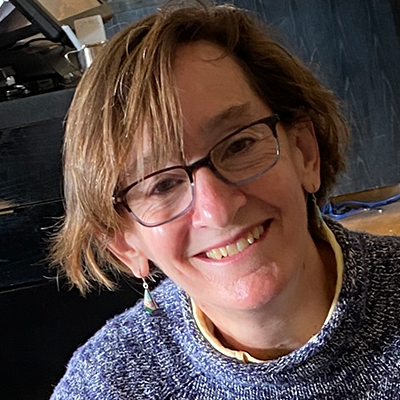
Lee Haxall, ACE
Emmy award winning editor (pilot for “Arrested Development”) Lee Haxall originally hails from Pennsylvania. After attending USC film school, she became a sound editor and post-production producer before finding her passion as a picture editor. After several years cutting television movies like Disney’s “Brink” and dramas and comedies ranging from “Arrested Development” to “The Shield,” she began her feature editing career in 2003. She has a knack for comedy, and is perhaps best known for “Crazy Stupid Love,” “Meet the Fockers,” “Sisters,” and “Always be My Maybe.” Nothing pleases her more than blending comedy with heart, and working with fun, nice people, which is why she so loved working on Rob Burnett’s wonderful “In Memoriam.”
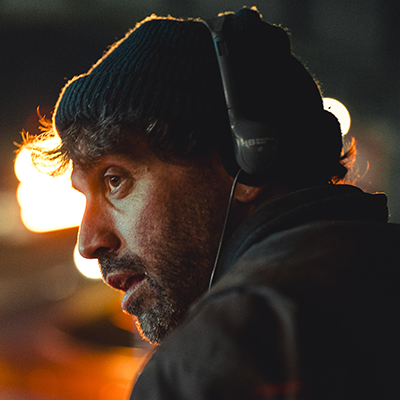
Joshua Z Weinstein
Joshua Z Weinstein is the editor, cinematographer, writer, producer and director of Here I’m Alive. He directed Menashe, released by A24, and was nominated for a Gotham Award for “Breakthrough Director” and Independent Spirit Award for “Best First Feature.” He fdirected the documentaries Drivers Wanted (PBS), Flying On One Engine (IDFA/SXSW), and I Beat Mike Tyson (Hotdocs/Camden). Weinstein’s advertising work was nominated for a Cannes Lion. His comedy Holocaust Survivor Band for the NY Times won POY’s “Multimedia Project of the Year.” Born in NYC, he spent the aughts playing bass in the post-hardcore band Trophy Scars, a legacy that will live on through the tattoos on his dedicated fans. The DIY punk culture is enmeshed in his filmmaking.
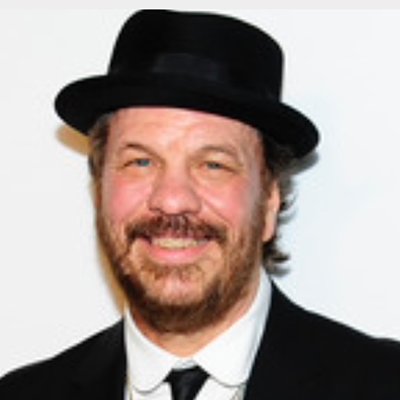
Michael Taylor, ACE (Moderator)
Michael Taylor, ACE, member of the Academy of Motion Picture Arts and Sciences, has recently joined the board of advisors of Blue Collar Post Collective. He helped create and continues to help curate the long-running ACE Presents at Metrograph series, which pairs film screenings with moderated Q&A’s with the film’s editor. Michael moderated the inaugural evening and has returned to moderate several times. He has been a film editor for the past 25 years, working on both fiction and non-fiction features. His recent film “My Undesirable Friends: Part I – Last Air in Moscow” won best documentary at the Gotham Awards, the New York Society of Film Critics, the Los Angeles Association of Film Critics, and the National Society of Film Critics, and was shortlisted for the best documentary Oscar.
TRANSCRIPT OF THE DISCUSSION BELOW
Faridah Gbadamosi: Hello, my name is Faridah Gbadamosi and I’m a senior programmer at Tribeca. Thank you so much for coming to the 25th Tribeca Festival. In addition to curating films for the festival, I also have had the pleasure of curating for the last four years free talks in this lounge. I’m so glad to see so many people here for this conversation. We’ve had an editing award at the festival for some years, and we’ve done a talk with editors at the festival for the last three years. And every year, it’s grown in audience, and it’s been really great to have people come out. You guys are here for cutting to the truth, storytelling and the art of editing. I also want to thank our amazing co-hosts for this conversation, ACE, the American Cinema Editors. And Blue Collar Post Collective. We’ve worked with ACE the last three years, and each one of the talks have been great, so I’m so glad that you guys are here, but you’re not here to hear from me. You’re here to hear from these amazing editors, so I’m going to bring out Michael Taylor to moderate this conversation.
Michael Taylor: Testing, testing. You all hear me? Thank you, Faridah, for that introduction, and thank you, Faridah and Tribeca, for hosting these panels these last three or four years, and especially to Derek and to Meg, who you’ll find around here who helped organize this one. I’m going to, over there, by the way, is Raul Hernandez. If you need any more information about Blue Collar Post Collective, he’s the guy to talk to, and there’s Derek if you want to talk to him later. I’m going to bring on Joshua Z. Weinstein. Joshua is the director, cinematographer, editor, producer, and writer, a number of other things on his movie, which is here, called “Here I’m Alive,” and I believe this is the world premiere this week. Is that correct for your film?
Joshua Z. Weinstein: Yep.
Michael Taylor: Great.
Joshua Z. Weinstein: Is it working? Yeah. Check, check.
Michael Taylor: Great. So we’ll talk to you more about that in a moment. I’ve also got Shannon C. Griffin. Shannon is the editor of “One Woman, One Bra,” which premiered last year at the Venice Film Festival, I believe, started out at Venice. It was developed at the Venice Biennale College and since has won the Sutherland Award at the London Film Festival, so congratulations on that.
Shannon C. Griffin: Thank you. Test, test. Thank you.
Michael Taylor: Next, we’re going to have Mr. Ian Holden. Ian is the editor of the film “Take Me Home,” which premiered at the Sundance Film Festival this year and received the Waldo Salt Screenwriting Prize, and it is here now with us at Tribeca. And last but surely not least, we have Lee Haxall, who cut “In Memoriam,” which is another world premiere this year here. So we have two world premieres and two films that have come to us from Sundance and Venice, which is a pretty good pedigree, I’d say. I wanted to test the temperature of the room a little bit before we started. What kind of folks are you? Are you filmmakers, editors, Like, how many people here work in the film industry? Okay, great. And I guess that’s enough for me to know. We’re going to start– we’re going to have questions and answers with these guys 15 minutes before we close. So you’ll get a chance to ask them any particular questions you have, and I’m sure you’ll be able to find them afterwards, too. I want– I’m going to start with improvisation. It’s interesting, three of the films here have casts comprised primarily of non-professionals. So I’m curious– and those films are Josh’s, Shannon’s, and Ian’s, in that his lead character is actually the sister of the director. The lead character in Ian’s film is cognitively disabled. So she’s essentially playing a version of herself. And then in the case of Lee’s film, Lee’s film stars the great comedian, Mark Maron, and a lot of other great comic actors, such as Michael McKean and so forth. And improvisation is even part of the script. It appears in the film because the Mark Maron character often goes off book, and you see script supervisors on the set frantically losing their mind. So I’m curious what the process of improvisation was for all of you to find magical things in your films. And why don’t we start with Joshua?
Joshua Z. Weinstein: Boy. So man, in terms of like, how we constructed the scene, basically, is that what you want to talk about?
Michael Taylor: Yeah, so maybe what the process was. I don’t know what your script looked like. Did it have dialogue written out, or did you make things up on the day?
Joshua Z. Weinstein: So, we…I’m sure, Mike, just because I do so many of the different jobs in the film, that I think my process is different than editors who just come at the very, very end, where for me, we find people, we rehearse with them, we have an idea for a story. The rehearsal goes to the script. We write the script. Then we rehearse it again. It changed. So it’s very reiterative as we do it. Then on the day, we’re finding our own magic. So it’s constantly magic, magic, magic. Because that’s what I’m looking for. I’m looking for these moments that we just can’t turn away from and that just feel real. What does real mean? I was just saying before to a friend over here that my whole goal is to make films that feel discovered and not created, you know? So I think when I look at the footage, I’m looking for discovered moments, moments that feel wrong, moments that shouldn’t be there. And when I find those great moments that really shouldn’t be there, I construct the whole scene around those moments.
Michael Taylor: Great. Well, in all fair disclosure, I was an editing advisor On Joshua’s film about a year ago. And I watched it maybe eight times over the course of a few months. And my main note was always, go faster. But in the end, I resaw it about a week ago. And then again, I had to watch– I’m just saying, if you haven’t had a chance to see it, try to check it out. Here I’m alive. I had to tell myself that it wasn’t a documentary over and over. These really are actors. I mean, they’re actors in that they’re not– I mean, it’s fiction. But you achieved something incredible. Maybe we’ll come back to this if we have a chance. I’m wondering, what would you say your ratio was of all the good stuff compared to all the stuff you had to throw out?
Joshua Z. Weinstein: We’ll talk about it later.
Michael Taylor: Yeah, I’m happy to– We’ll come back for that. Shannon, in your case, your film was filmed, I believe, in Nigeria and Kenya with Massai?
Shannon C. Griffin: Right, yes. So we had non-actors. And we filmed in a really small village. And thankfully, though, there was a lot of meticulous planning just because of the conditions of production. They had to be in a very remote village with crews who were used to being on a lot. So they had a lot of planning involved. And thankfully, the non-actors in our film memorized all their lines. But there were a few changes that were made. And the difficulty was that they were speaking Ma. They weren’t speaking English. So when I received the footage, I wasn’t aware of certain changes or if they had made an adjustment on set. So what I had to do is really pay attention to their faces, their eyes, and how to choose the performance. And then later, I would receive the translation from a translator. And I think what helped me was that I grew up all over the world. I was born in Tokyo. I lived in China. So I’m used to being around languages that I don’t understand. And I think that you just get used to context clues, who is speaking to who, what they’re saying, how they’re gesturing. So that helps me the most with those types of challenges.
Michael Taylor: Great, thank you. Ian, how did that work out for you in your film?
Ian Holden: Yeah, so in the case of Take Me Home, it was really non-traditional for me because I’m used to working with scripts and having every take be– have a different performance or delivery. But there’s a script, and you have different takes. In the case of Take Me Home, Anna really– the main character, the protagonist– was playing herself with this cognitive disability. She really wasn’t acting. So that was sort of the most different experience for me. And the cognitive disability specifically that she actually has is no frontal lobe. So she has no short-term memory. So you can imagine what that means for remembering lines. So early on, we had to basically sculpt the first few scenes with the understanding that there would be things that audiences might pick up on that were already non-traditional, such as her saying a line like what, which is really Anna responding to the earpiece of her sister telling her what the line is, or looking completely in a different direction, or just taking the scene in a different direction. So the way that we got through it was really building the performance around Anna. And the other actors were professionals. They were absolute pros. But they even said to me and to others that it was the most challenging and rewarding for them, because they got to have some free play as well and improvise. So yeah, I will say that going back to editing sort of traditional narrative films has been, I don’t want to say boring, but less experimental and less improvisational. And as editors in the audience, you probably know if you can get away with really cutting an entire scene, that means that something in the script wasn’t rock solid. And usually it’s shaving a few seconds here or there. But we would cut entire scenes and restructure things. So yeah, I would say it was the most improvisational experience that I’ve had to cut together.
Michael Taylor: Great, thank you. Lee, you I imagine had a regular script coming in, which Rob Burnett had written. And you got it, and you met with Rob. And what happened after that?
Lee Haxall: Yeah, there was very little improv in this film, because it was a tight shooting schedule, and there wasn’t really time. But on a previous film, I cut a movie called Sisters with Tina Fey, Amy Poehler, and Maya Rudolph, who are three of the queens of improv. And there was a lot of funny stuff. And my first cut–my first cut was three hours, because what I would do is I would cut three improv sequences for each place we knew there was only going to be one joke or one sequence. And then I’d show it all to the director, and we’d decide which is the funniest, which one’s going to tell the story the best. So it’s not like these guys at all, but it’s comedy improv, so I can relate.
Michael Taylor: That’s helpful. Thank you. I’m going to go a little more nuts and bolts here, if that’s all right with you. Those of you who are in the profession know that typically the editor is hired before we start shooting and starts to receive dailies. Basically, a day after the first day. In Josh’s case, you found yourself going into the editing room after having shot this movie. Although maybe there was some back and forth, I don’t know. But for the rest of you, if you were on during the shoot, what was that process like for you? How did you feel when you got your first batch of dailies? What kind of communication did you have with your director? Were you physically close to the set ever? There’s this rule that you hear when you’re coming up as an editor, which is, oh, you should never visit the set, because you should only know that rectangle. And if you visit the set, you’re going to know more information. It’s going to color your work. Personally, I don’t believe in that. I think, in my own opinion, the more interaction the editor has with the director and other key members of the team, and even actors sometimes, the more we can get out of the film later on. But that’s just my own preference. But we’ll go to Josh last, since you’re the one who came in after actually having shot this thing. Let’s go to Shannon next.
Shannon C. Griffin: I personally hate going to set, because I like to have my little edit bay with my air conditioning, or my heat, and my three drinkies. So thankfully, Josh and Vincho, they shot the film very far away in a remote village in Africa, so I just couldn’t make it, unfortunately. But I had my three drinks at home waiting for the dailies. But I didn’t get to look at them, really, during shooting. I got them all once they were done. So I was nervous, and twiddling my thumbs a little bit. But I think what–I still communicated with the director. And I think what happened was I was there for psychological and emotional support, because they had prepared so much in pre-pro. They had an extensive shot list. We were all very confident in what we were about to get. But every so often, a crew member would approach my director and be like, are you sure you don’t want to get a single here? Are you sure you don’t want to get a CU here? And I’m a bit worried about the coverage. And she would text me and be like, I’m so worried. Do you think that we actually need the CU? And I was just there to kind of tell her no. We did the preparation. Just keep the faith in your shot list, and everything will turn out fine. And it did, thankfully. So I was there for emotional support, basically, far away with my three drinkies.
Michael Taylor: That’s it. It’s interesting what you say about coverage on your film. Because what I noticed was you sort of had a balance between extremely stately wide shots, where your lead character, the name of a star, would often be walking into the frame from a distance and then filling the frame. And so much– well, actually, all of your films are about isolation or being an outsider, all four of you, in a certain way. I noticed when I was comparing notes in my head, some more literally than others. And I felt that visually, those shots of star coming into the frame, which were held much longer than many other editors would– some people watching your film might say the pacing is leisurely. Trust me, for me, that’s a big compliment. And I think most of the film critics of the world would say the same thing. But we’ll get back to pacing. We’ll talk about pacing a little bit. But I personally loved all of that. But it was also intercut with a lot of more– almost like more handheld, loosey goosey types of shots. And to be able to combine those kinds of shots fluidly, I’m sure it took a lot of skill.
Shannon C. Griffin: Yeah, and a lot of confidence from my director as well to tell the crew, it will work out. We don’t need the single. Let’s just do what the shot list says.
Michael Taylor: Great. Great. Ian, how did that go for you?
Ian Holden: I have a number of potential responses. I just wanted a show of hands. Who is an editor, identifies as an editor? OK. Cool. OK. So the reason I’m asking this is because I’m learning politically that it is very important to be present when people are shooting. This was an unorthodox project where it was very difficult for me to really receive dailies based on a number of factors. I was also sort of coaching an assistant who was organizing the project. And the turnaround time was very tight. But one bargaining chip, I would say, it would be good is to ask that you are present for dailies. Because you then build a relationship with the director. And to your point about being sort of the emotional support and therapist, sometimes when I’m not on–when it’s a fresh relationship with the director right in the cutting room, the director is already emotionally exhausted. And that’s the first impression you have with this director. So you can always say, I think it would make sense, even financially, that I’m starting this relationship early so that you can foster that relationship early. And when it comes time to the cutting room, get it in the cutting room, you’re kind of ready to go. And you know each other better. In this case, with the director I worked with, we gelled really, really well. And so this step wasn’t entirely crucial. But just speaking from experience, I always prefer to work with projects earlier on so I can start learning people’s quirks, start learning what the film’s all about. But yeah, there’s been about half the indie features I’ve worked on. I’ve kind of just been brought on the last week of shooting, or where it’s maybe too late to throw your two cents in. I always do anyway, just in writing so it’s there. Not so I do a I told you so, but more just it’s documented. But yeah, I would say for this project specifically, there were so many other challenges beyond just getting through the film. There was even a documentary that played at Tribeca as well as kind of a companion piece about the making of the film and how at certain times Anna, the main character, would just need to take an hour break and need to go to her room and do her ritual, whatever it was, to calm her nervous system. You can imagine, for those of you that have been on set, if all of a sudden an actor just goes, I need an hour. And like this, the golden hour is outside and everything is planned. So I totally understand why this was a particularly difficult situation. But yeah, that’s my response is when you can be present for shooting, say that it will speed things up in the edit room. They’ll listen to that I think. It’ll go a long way.
Michael Taylor: Thank you. Lee.
Lee Haxall: I actually, I’m usually brought on at the beginning and by day one, I swear to God, I’m usually drowning in footage. I will be getting three to five hours of dailies every day between the two cameras and whatnot. So I honestly don’t tend to have time to go to the set. I would love to in one regard and then I don’t like to in another regard. And the reason I don’t like going to the set is if I bond with an actor or just chat with somebody, I then, I hate cutting them out of the movie. And you will have to cut somebody out of a movie sooner or later and it’s awful if you know them. So I try and avoid the set. And honestly, I’m always just drowning in films. So I really, I just don’t. And I do obviously stay in touch with the director every day if they wanna chat about that day’s dailies. Rob was particularly sending me texts about here’s what I was trying to do with the character here. Can you make sure that Mark does this? I’m interested in this, which is very helpful. But also, I like to be alone with the material as well. I like to process it myself. And that’s one of the things they’re paying me for is my reaction to the material. And they’ll offer me things that I completely do very differently than the director. And then they’re very happy with it. Or, obviously they’re gonna win the battle. And it’s not a battle. But what I mean, if there’s an emotional moment that they feel this must go in and I’m like, oh gosh, I feel it’s a little broad. I might plant a seed or not and then come back to it later if I feel that it’s a not genuine moment. So hopefully, I don’t think I’ve gone too far off the question, but sorry.
Michael Taylor: No, that’s actually great. In fact, we’ll have a follow up to that after we talk to Josh. The follow up question, if you wanna think about it, is what times in your movie did you have a scene which was supposed to go like this, but you thought it should go like that instead? And how far did you go into that direction before you showed it to your director? And did you do multiple versions, et cetera? I’ll let all three of you ponder that. By meantime, I wanna know what Josh thinks after you’ve shot your movie and the first day you came in to do some actual editing, switch over to your editing hat. And I should acknowledge that Josh did have a co-editor, Kate Abernathy, who I think was maybe hoping to come today, and a number of other advisors and helpers. But he did, it was all centralized with Josh.
Joshua Z. Weinstein: I was listening to you talk about the three hours, two cameras each doing three hours a day, so that’s what I do the same thing as well. I have the 90 days that we shot over a two year period. And it was insane, the whole process is insane, because I’m my own insane boat captain, it’s okay that I don’t know where I’m going every day. So yeah, we’d shoot for five days, then we edit the footage. Because originally I was gonna make Koyaanisqatsi but the really intimate version of it with 24 storylines, that was my original goal. And then I found three amazing stories I wanted to do, and we filmed this scripted docu version for five days. And it just didn’t, it wasn’t there, it was just like, how much do you script before it’s no longer a documentary? And so I said, fuck it, it’s no longer a documentary, let’s just do 100% make it a fiction. And then we did this rolling casting process, because the story of five different people over one night, and then we cast a person living in the shelter system, a Venezuelan migrant, a Victoria’s Secret model, a young gay boy who’s friend’s in the sugar baby community, and hikikomori, someone who hadn’t left his house in a decade. And then we made this Altman-esque night of their lives, but the thing was that it was a rolling shoot, where we’d, then once I found the five, then I wrote the story and wrote an ending, and I talked to Michael a lot about this, where the film ends in this surreal moment, and it just didn’t work, this surreal moment. So then, because of all the rules of neorealism, if you break too many rules, what’s the film you’re making? I think maybe genre, something we could talk about too, if you ever want to talk about that. What are the rules of the genre when you’re making a film? And so for this neorealist film that we made, we couldn’t have score. We tried score, but then the end, we just took songs and we just mixed it like it was coming out of Bluetooth speakers everywhere we go. Anyway, I feel like I took the question about the three hours a day and just talking about the score.
Michael Taylor: I guess it was more like, oh my God, now I’m calling myself the editor on this. I’ve told people I’m gonna edit it myself. What am I gonna do with this footage? And what that was like, because it wasn’t like most of us where we’re sitting or standing in front of our avid, and we’ve got the director back there, it’s just you.
Joshua Z. Weinstein: Just me, and there’s only one answer to that.
Michael Taylor: What?
Joshua Z. Weinstein: Cigarettes.
Michael Taylor: Cigarettes, good. Okay, well now I’m gonna go back to this idea that all of these films had scripts of some sort, some more traditional than others, but they started with written documents. And I guess this is a two-fold question. I’m gonna think big picture and little picture, macro and micro at the same time. How about that? Macro is when you first talked to your director about the movie, did you discuss his or her expectations and your own expectations, and what did you hope the film would be when it was done? And then once you’re into the nitty gritty and you’re actually working on specific scenes in the movie, and you can think about a scene that was in the movie or maybe one you ultimately took out, something that just didn’t work out the way it seemed like it was supposed to. And you had to come up with a, try to come up with a solution. Big question, you can ponder that. And let’s start with Ian.
Ian Holden: Oh, not much time to ponder, that’s fine. I would say every film is macro and micro, right? I think that’s what makes the whole process exciting. You’re thinking big picture but working scene by scene. In the case of Take Me Home, one thing, I mean, one example comes to mind where we really wanted to make sure that the parents, that they on screen showed a really close relationship. We had two or three scenes that did that. That was the main impetus for the scenes, that they are close, they are tight knit, they have a long history. But it wasn’t centralized around Anna enough. We just decided that Anna needs to be in every scene. It just, the perspective shifts when she’s not in a scene. And so we ended up cutting three scenes, a couple of scenes where Anna either was not centralized or wasn’t as present. And then what we had, then we, on like a note card, it was make sure we have to show the parents’ relationship another way. So basically we chose another scene to let their relationship sing a bit. And it was all about the rhythm of just staying on them a little bit longer, making the scene’s perspective be a little bit more about them. Still Anna’s there doing what she’s doing. So I’d say it’s a bit of a compromise. And again, as editors and filmmakers, we always have to watch the film from the beginning constantly. You can’t just stay micro, you have to watch it over and over again from the very start to see if something like this happens, if there’s a perspective shift or if we’re meandering. So I think we found a really good solution of just a couple of looks between the two of them. We don’t need a whole backstory and that’s all that was needed. And we ended up cutting, I think like seven and a half, eight minutes so that we could extend time elsewhere. Not that we would, that time is always used somewhere else usually. So yeah, it’s a compromise, I’d say.
Lee Haxall: Well, interestingly, this goes back to the improvisational question. On In Memoriam, Mark Maron and Justin Long did have one scene and it was screamingly funny because Justin Long is a brilliant improvisation guy and it went on and on and on and on. I cut everything into it because it was so funny. And then you look at the film and you go, okay, this character is being given a huge swath of screen time that we just can’t afford. So we had to go in there and eviscerate it pretty much, figure out where really is the best comedy for the story. And so that ended up coming way, way, way down and is for the best of the story. The stuff that hits the cutting-room floor, it’s painful in comedy, but it is going to be best for the story in the end. In Memoriam did not have a lot cut out. The next movie I edited, which is coming out on Netflix in a couple weeks, had boatloads cut out. Lots of full scenes, full scenes. And once again, it was trying to figure out where this character arc is going. Do we need all of these pieces and can we get away without some of these pieces? Still the character arcing emotionally, correctly. And then we restructured the whole thing because we needed, we had introduced the leading character right at the beginning of the movie. Now he’s introduced flowing from the lead girl’s story. So we introduce him through her point of view. Which was a complete restructure and really affected this other scene that the director at first didn’t want to do it because it affected this other scene so violently, not violently, just so much, that she didn’t want to do this whole restructure. But in the end, we just kept looking at it and said this is so much better. That I figured out a way to put this scene together that was never meant to go together and restructure this whole 10, 15 minute area of the film where nothing was meant to go together and we figured out how to do it and it really did work in the end. So I, you know, I love what you said about it’s macro and micro because that’s the micro. To get to that macro, boy did that take a lot of micros.
Michael Taylor: Lee, that’s a great, what’s the name of that film? So we do watch out for it.
Lee Haxall: That film is called Voicemails for Isabel and it’s a Netflix film coming out June 19th.
Michael Taylor: I have to ask one follow-up question. Who is the person who first realized this radical surgery was needed?
Lee Haxall: Interestingly, a few, she invited three filmmaker friends to screen the film with her and the director and me. The director was a female. And so we all screened it together and one of the filmmakers came up with this idea and I said, that’s brilliant. But then the director was like, no, because it’s gonna affect this bench scene and blah, blah, blah, blah, blah. So I was like, you’re absolutely right. So then the seed was planted and we just kept going until we tried it. And then I figured out a way to do this. When I tried it, I really worked hard on making these other things work.
Michael Taylor: Great, that’s really helpful to know. And I suspect it takes having a number of years of experience and the confidence in some other successful projects to be able to hold your own sometimes in situations like that.
Lee Haxall: Yeah, I’m a dinosaur.
Michael Taylor: I think most of us in the room would agree that one of the biggest issues we face, and maybe we’ll talk about it later if we have a chance, is the dynamic between the producers, the producing team, which might be one person or 10 people, and your director and yourself. And then maybe off in the corner is the movie. What’s the interest of the movie? But we’ll get to that in a little bit if we have time. I don’t think we’ve done the how did you change a scene question yet with Shannon.
Shannon C. Griffin: Well, when I first met with my director, Vincho, it was my first time meeting her and my first time ever going to collaborate with her. And usually in that first directors meeting, obviously you talk about films that you love and you try to find a bond. But I do try to bring in a little bit of constructive criticism, at least a little bit, just so that the director can get a sense of how I think, how I work, and how I give constructive feedback. And I also use that as an opportunity to see how they’re receptive to constructive feedback. Is this a person that will listen to me if I have something to say or if I have an idea? And thankfully Vincho was always so open and excited. And so by the time that we were working together on the nitty gritty stuff, we had already kind of established like, okay, this is like the way that she likes to get notes and the way that she likes to do feedback because I had already brought up stuff in pre-production. So that was instrumental in making sure by the time we were working on these little individual scenes that we had a good relationship. And yeah, that’s how I approached it.
Michael Taylor: That’s good, thank you very much. But what about some, was there a specific moment or scene, especially because the woman playing star had not been in movies before, as far as I know, and really carries a movie on her shoulders and she’s phenomenal in the film. But was there a scene you had to alter in any way or change to make, to emphasize this strength in her?
Shannon C. Griffin: Yeah, we worked the last monologue scene a lot because that one was shot with just a single camera and just shot in a one-er. And so we had experimented with just having that one long take and initially we had locked the edit with this really long monologue and it was one long take. But then we went back and we actually reopened the edit and we decided to kind of cut it down, see if we could piecemeal the most important lines out. And so we went back and forth a lot and we were even doing more experimental cuts and we were like, should we go even crazier? Should we add all this stuff? Should she be going crazy and losing consciousness? But in the end, we just ended up cutting a few lines and stuff and thankfully by that time, the director and I had worked on the whole film together and we had developed a trust. And so when we worked together on that scene, it was pretty easy.
Michael Taylor: Great, thank you. I’m gonna talk about that scene a little later. That really impressed me, that scene. Josh, how much did you have to change when you’re in the edit room?
Joshua Z. Weinstein: Well Michael, the first version you saw, did you see the psychic sisters in the version? I don’t think so, no. So the thing was is that, so this is a hyperlink film. I watched a lot of Altman and Magnolia, as reference pieces for like, how do you take multi-narrative films and keep them moving forward? And so because of that, yeah, suck out the humor. If there wasn’t like, if every scene didn’t end with a drama question, it really didn’t keep people focused on the movie and it became a little bit too like, just art for art’s sake and experimental. And I was really interested in pursuit of narrative. So thinking about what you’re saying about cutting, cut a whole storyline out, that was four days of shooting for sure, for sure. And that was like two flights of, these psychic sisters, again, they’re amazing. They’re called the eternal starlight. Follow them on Instagram, they’ll give you a horoscope right now. But their sisters, they all dress up in different colors and tell you the future, it’s really beautiful. And they happen to be in New York and I film three days with them. And then I was like, ugh, they’re just wonderful, but I really need like, a lot of rehearsal with these kids again, because everyone’s not an actor, they all on different levels. So then we flew them back up for like, a one day bandaid day and it just, or maybe a two day bandaid day, but it just wasn’t enough. And so, and then I’m thinking of another day. So I probably cut like seven whole days of shooting on a 30 day schedule, but you know, you have to ask every question, you open the edit every day and you’re just like, what’s gonna work, what’s not gonna work? So, you know, just like, neo-realist drama is like comedy in the same sense, is that like, you’re just looking for these, whatever’s, I mean, you’re looking for comedy, I’m looking for just like, their fucking souls to be buried on the floor and to see that blood. And when the blood’s there, it’s making the edit.
Michael Taylor: Great, that’s helpful, because Josh made me watch the film many times,
Joshua Z. Weinstein: I know, thank you.
Michael Taylor: More than I wanted to, sometimes, because–
Joshua Z. Weinstein: I was a baby who needs a holding hand.
Michael Taylor: It’s a lot of people making incredible embarrassments of themselves, and really, literally spilling their guts on screen. It’s like, I love all four of these films that you guys have made, and they’re all so extraordinarily different from each other. I mean, if we could have a film world where we had more films like these four, populating both the art houses and the multiplexes, we would be a much richer film culture. So I have to say, thank you, Tribeca. We, through Faridah’s careful process, we ended up with the four of you representing these four films, but I’m so happy it turned out that way. I have one final round of questions, and then we’re gonna open up to the Q&A with all of you guys, so get ready. My thing here is I wanna talk about a specific scene that impressed me in your films. Well, there’s two scenes in Lee’s well, everything impressed me, but especially around the eight-minute point, you have this wonderful montage where it’s not a very talky film, even though there’s a fair amount of talk. There’s a lot of sort of one-liners, except you tend to sort of throw the one-liners away, I notice, you don’t make this, not a boom, boom, boom, like big laugh thing. They’re soft in a good way. But two of my favorite moments were completely nonverbal, but with music, and one involved, Mark Maron, who’s received, I guess we can say it, because it’s at the beginning of the movie, a fatal cancer diagnosis, he’s gonna die in six months, and he’s sitting there eating an ice cream cone, and he’s looking at all the people on the boulevard around him. These young people, gavanting, an old person with a walker, a fat person, a thin person, a tall person, and he’s thinking, they’re all so innocent. They’re all gonna be here. They have not a care in the world, and it’s one of the most magical pieces of cinema. Oh, I’m tearing up thinking about it, that I’ve ever seen. It was really extraordinary. And when you have a scene like that, you lock in the audience, and I think we all know that those first 10 minutes of the movie are really precious, and that’s where the movie really lives and dies very often, that first 10 or 15 minutes. I remember reading something by Monty Hellman once, who said that after his editor kept cutting the first 15 minutes out of his movies, he just stopped writing the first 15 pages. So that’s something to consider. Maybe just jump in on the deep end somewhere. And then there’s another moment where you, it’s almost like a mirror moment at the end where Mark has gotten some other news. He’s got the best news of his life. He’s about to get what he really wants, and he’s so happy, and all these people are congratulating him, and they’re leaning in out of focus, so you feel it’s totally subjective, and once again, the music comes in, and you handle music very delicately in the movie to the point where I almost never noticed it, which is, I feel a good thing, usually, but I do notice it in those moments, and then you’ve got this wonderful shot of his daughter, who’s the emotional through-line of the film, who just, again, pure poetic, and I know this is supposed to be a question. How did you achieve those total moments? Were they in the script, or how did that develop?
Lee Haxall: They were in the script, and Rob is, he’s such a brilliant director. I mean, what you were saying there about the subtlety of the comedy, that’s Rob. He doesn’t want it too broad, he wants it real, and in terms of the comedy, well, he wants everything real, obviously, but both of those montages were shot. For me, it was just figuring out how to get them together. The second one was very emotional for me, and it was shot in slow motion, except for a couple shots, that I had to figure, we had to slow down and create, there’s one shot in there that was way too fast, and I actually did a major kind of visual effect to make it much slower, and then there’s this wonderful moment where the camera goes black, and then I cut to something, and then brought it back from the black. There were just very emotional things in that segment. The first one, it was just finding the order of all those people he’s watching, they’re living their lives, and they’re so lucky, they’re alive, and it was really, it was the branch of the shooting, too. You know, I can’t take a lot of–I can–but I can’t take a lot of credit for that, because it was really well shot.
Michael Taylor: Well, you still chose the shots, and ordered them and worked with music.
Lee Haxall: Yeah, we took the producer out of the first montage. It was an additional shot of her walking her dog, so we had to cut her out, I thought I’m gonna be fired.
Michael Taylor: So there was a scene in Ian’s film that I found quite extraordinary. It focuses mainly on the character of Anna, but at a certain point her sister, who’s not cognitively disabled, arrives, has come from out of town, and we’ve only seen her on a screen up until now. By the way, a huge amount of the drama in Joshua’s movie takes place on screens, which is a whole other thing. And they’re all real, I believe, but we’ll talk about that if we have time. But in your film, Ian, this character, what’s the actress’s name again? Because I know she–
Ian Holden: Ali Ahn
Michael Taylor: Ali Ahn, who’s amazing and completely different from the character that she plays on the diplomat, which again shows how well you crafted her performance, I think, or her talent or combination. But what I love is, and I can’t say too much, because I don’t wanna be a spoiler here, but she’s basically trying to cheer her sister up. And she says in a close-up, it’s the first time it’s been real footage of her, not a phone, she says, “This sort of thing happens in life.” I mean, it’s not exactly those words, but these things happen. And then it goes back to Anna, another single, and she’s not convinced by this. And then she says, the sister says, and remember, it happened with Fodder or something, that’s not the right name, but Fodder and Fodder’s with so-and-so, and da-da-da, it’s all gonna be okay, I’m sorry I’m being so vague, I just don’t wanna be a spoiler on it. And then suddenly you cut to a wide shot. And at that moment, Anna, who’s like this, slumps back. And again, knowing that she’s not a trained actor, I don’t know if she did that instinctively, I don’t know if you just found that, I doubt it was scripted that way, but it was again, a purely cinematic moment because non-verbally, she said, “This is bullshit, cut it out.” And she was a very honest character who usually was able to verbalize her upset. But in this case, it was a very quiet, more despairing thing. And then, so how did that scene come to be?
Ian Holden: That’s a great question. When we started looking through footage, for a lot of these scenes, it was, the first tactic sort of was, how can we manufacture the reactions to play to the script in a way. And then very early on, I mean, basically by day three or four in the edit, it was, as I kinda said earlier, give room for mistakes, we’ll call them mistakes, but they actually aren’t mistakes. They’re as real as this actor can be. This is her really being herself. So rather than cutting on action, having her move back and then say a line or have a line off screen over Ali Ahn’s character, we just decided to keep it as real as possible. And so in that moment, and I don’t wanna take the magic out of this, but sometimes there was re-applied reactions. And what I mean by that is, Anna was actually frustrated with how many takes she was doing of this moment, and it was distressful. It was a distressful scene where we’re talking about death and about loss and all these things. And so her move back was definitely real. There was definitely frustration there.
And I think, so that’s the answer to that, is that sometimes, I mean, she was completely in the moment, but also there would be re-applied frustration that would be from something else that might be happening on set. But at that moment, she has great intuition too. She really, she’s frustrated, she’s frustrated. If she doesn’t believe you, she’s not gonna believe you.
Michael Taylor: It comes across, thank you.
Ian Holden: And definitely cutting from something that’s close to a wide shot, I wanna give the actor the full motion, usually. I wanna make them just lean back. I don’t wanna cut them full of it.
Michael Taylor: And I noticed actually that Ali Ahn says the same line at the end of the scene, which made me think that that was repurposed, that it probably wasn’t written for her to say it twice, but it totally worked.
Ian Holden: Wow, you’re good, you’re good, yeah. I’ll just say this really quickly, I know we’re short on time, that bothered me a lot when we were in the edit. And then it did actually come naturally twice. It wasn’t in the script, but it was a way, because Ali Ahn’s character, Emily, really did wanna comfort Anna, not in the film, but right there in the moment. She was getting distressed and reminded her, remember, this happens in life. And so, yeah.
Michael Taylor: No, it’s true, well, congratulations on that. Shannon, your film has a lot of very powerful moments, silences, music comes in occasionally at sort of revelatory moments. I first noticed music about 25 minutes in. Maybe there was music before that, but I hadn’t noticed. But you end the film, almost your, I guess, penultimate scene is this what you could call a monologue, but you could also call it a rage scene where your character just lets loose. And it’s, I don’t know how long it is, a few minutes. It’s one of the most phenomenal things I’ve ever seen. And to see that, again, with someone who’s not trained, you’ve told us earlier that it started all as a one-er, and I guess you’ve already described creating those rhythms. Is there anything more you wanted to say about it? Because it’s like your whole film is an amazing scene, movie, but having that one scene, it locks everything in. It’s like a journey to that moment, and then the resolution that follows. So that scene has to work for the movie to work.
Shannon C. Griffin: Yeah, that scene, like I said earlier, was just one one-er, and we had dabbled in keeping it just that whole one one-er, because throughout the film, we’re in these wides, and these other sort of traditional setups, and then this is kind of like the ultimate peak, the ultimate scene. So we were thinking, oh, should we keep it in a one-er? But then we ended up cutting it down so that we didn’t muddy the ultimate message, which is her being finally confronting this community, which has like isolated her for so long. So yeah, that’s kind of how we approached that scene. I think my director was a bit worried that it was still too long, but I wanted to kind of inject this leisurely, long rhythm in the edit, because this is a culture that a lot of people are not familiar with, and I wanted people to see how they live, see how the mundane is, and also life is very mundane. We have very boring moments in our life. Times were waiting for the train, times were waiting for the bus. Why can’t we put that in the film? Why can’t we linger for a long time? Why can’t we linger on a face when we do that in real life all the time? So that’s how I approached the overall pacing and that last scene.
Michael Taylor: That’s right, thank you. Yes, and maybe when we get to Q&A, which will be in a moment, if you guys want to talk to these guys, just a little hint, pacing, which we haven’t gotten into too much today, is so interesting and so different in all four of your films. But Joshua, the scene I want to think about, and there’s so many to choose from in your case, is one of the characters, Kristaly envisions herself as the host of some sort of reality dating type show. And just all hell breaks loose. It’s the most insane thing I’ve ever seen. Every time I watch these scenes, I can’t believe them. And you’ve got the cameras flying around the room and you’re going between your footage and there’s footage from a video camera that’s lower res, and you’ve got people fighting and brawling and turning themselves upside. All in this crazy little would-be studio, TV studio, that’s about 100th the size of this room.
Michael Taylor: It’s like a closet. How did you achieve all of that?
Joshua Z. Weinstein: Just so you know, I had him watch the film eight times because I just love these monologues.
Joshua Z. Weinstein: Whenever Mike would call me at 11 p.m. and just start waxing philosophically about my movie, just let me feel good again. I’m like, okay, let’s get back in there. It’s just very encouraging. How did we achieve that in the edit or in production? In the edit, because we’re talking about editing. Okay.
Michael Taylor: Think as an editor.
Joshua Z. Weinstein: So just something interesting too is that, but actually, I get paid as a cinematographer. I’ve never been paid as an editor. I just edit for myself. And as a cinematographer, though, there’s one thing I’m always like, how are you cohesive? And this is in post-production. So yes, we have two Alexas going and then we have, we paid one of the actors to film the scene as well. So you see him in all the shots. And then we have iPhone footage as well that some of the actors used as well. So then at the end in post, which this is insane, this whole fucking thing is insane, but every time you see a screen in my film and we have VFX do it, I film the screen again back on my computer, okay? So not only that, though, so then I took all the iPhones and all the, any other media, I put all on my NTSC, like a Pixel 8 monitor. But it’s a nice 1080 monitor. It’s not a shitty one, but you can still see a little bit of the, what do you call the half frames?
Michael Taylor: Yeah, yeah. The inter-laced lines.
Joshua Z. Weinstein: Thank you, inter-laced lines, yeah. So literally, so then I take all the iPhone footage, all the third-party footage, any VFX we do and put it back through the monitor and shoot it on the Alexa again. So that there’s a cohesiveness now. So it’s like, so there’s a blend now so that even the grain is similar. It’s a way of just like, and then the interlaced things, like immediately in your mind subconsciously is like, okay, I’m in the past.
Michael Taylor: That’s great. How do we do it?
Joshua Z. Weinstein: Yeah, but again, this is, again, so this is like just, you know, so we had all these amazing street comedians, like these are people on black Instagram for the most part who all do amazing comedy things. And we all had them do tons and tons of takes and tons and tons of footage and just incredible comedy. So we had to find these moments, you know? And again, we had like seven, we filmed seven or eight contestants in this game show. And then we only ended up including two, you know? But all eight of them were incredible. They all were so, so funny. And even in those two, it’s like, how do you fit it in?
Michael Taylor: Yeah, the extended cut.
Joshua Z. Weinstein: The extended cut. Yeah, yeah, we’re gonna cut the game show as its own standalone game show one day. And it’s the last thing about Michael, just so you know, I’m so honored that he’s worked with me. I met him through Rick Alverson. If you guys should all check Rick’s films, which are really amazing. Anyway, Mike does so many different things.
Michael Taylor: You guys are great. I wish we had two hours for this, but we do have time for some questions. One question, thank you. Due to our answers being so interesting. Maybe we can get two. Yes.
Audience Member 1: A quick question, test audiences. Test audiences, I’m editing the film right now. I got multiple different feedback from multiple different test audiences. How important are they and how much do they factor into the final edit?
Ian Holden: Definitely.
Michael Taylor: Great question.
Ian Holden: Definitely extremely important. I think you should be there physically getting written feedback is important, but really being, people like to talk and hear themselves talk too. And then one person will say something in a room and then you’ll just hear that someone else is piggybacking off that idea. That the feedback is less important than getting a sense of being in the room, watching it with them. And are people laughing? Are people shifting? Are people coughing at different times? So yeah, I would say extremely important. Earlier on too.
Lee Haxall: I agree.
Shannon C. Griffin: Agree.
Joshua Z. Weinstein: Yeah, I like to have somebody come in once a week, is it next to me and watch the cut? Just the feeling.
Michael Taylor: In fact, I would add to that. If you’re in the edit room and you can bring a friend or two in occasionally, like all week long and see, have 10 people that way. Just again, you feel stuff even without them saying anything. Another question, sir, I think. Go for it.
Audience Member 2: You mentioned pacing and yeah, I was, I’m sorry. You did mention pacing earlier and I was actually wondering about that. Like I’ve seen films that run to feel too long. I saw a film here that was like paced so fast in the first 20 minutes, it felt odd. How do you know when a film has the right flow for either you or an audience or both?
Michael Taylor: Great question. Let’s go with Lee.
Lee Haxall: Oh. Well, for me, it’s kind of instinctual, but then I do pay a lot of attention to the testing. And in the beginning, there’s always, the film starts too slowly and then we have to try and figure out how to get them into it faster. Reel one, I’m not joking, probably 70% of my career has been spent on reel one. So trying to get them into the film. But yeah, pacing, yeah. And comedy pacing and drama pacing, it can be very different. And the big screen and the small screen all, it’s a smorgasbord sorry, I know we’re out of time.
Michael Taylor: No, that’s helpful.
Joshua Z. Weinstein: The most humbling thing about editing for me is that no matter whatever you wanna say, it doesn’t matter if it’s in your brain, if audiences don’t get it, it’s not there. You just have to be open to realizing that constantly, that what are the audiences not understanding? And that’s a real thing, what they don’t understand. What they like it, whether it’s good, whether it’s bad, whether it’s funny, that’s on them. But they don’t understand something that is real and not saying, “Do you wanna make that? Or do you not wanna give it to them?”
Michael Taylor: Time for one more, I think. No? Zero more. Listen, thank you everybody for coming. Thank you for coming. I believe we’ll all be available in this space in the near future, next 10 minutes or whatever, if you wanna talk to us, answer further questions. Thank you so much for coming. We really appreciate your support.
"The Essence of Cinema is EDITING"